 Decibel
YOUR WORKERS ARE
LOSING THEIR
HEARING RIGHT NOW.
22 million U.S. workers are exposed to hazardous noise annually. OSHA estimates $242 million in workers' compensation is paid for hearing loss disability each year — and most of it was preventable.
Noise-induced hearing loss is the most common preventable occupational injury in America.
Workers exposed to hazardous noise annually in the U.S.
NIOSH data, 2025
Paid annually in hearing loss workers' comp claims
OSHA economic analysis
Workers with noise exposure show measurable hearing loss
CDC / NIOSH survey
Average OSHA citation penalty per serious 1910.95 violation
Per-violation maximum, 2025
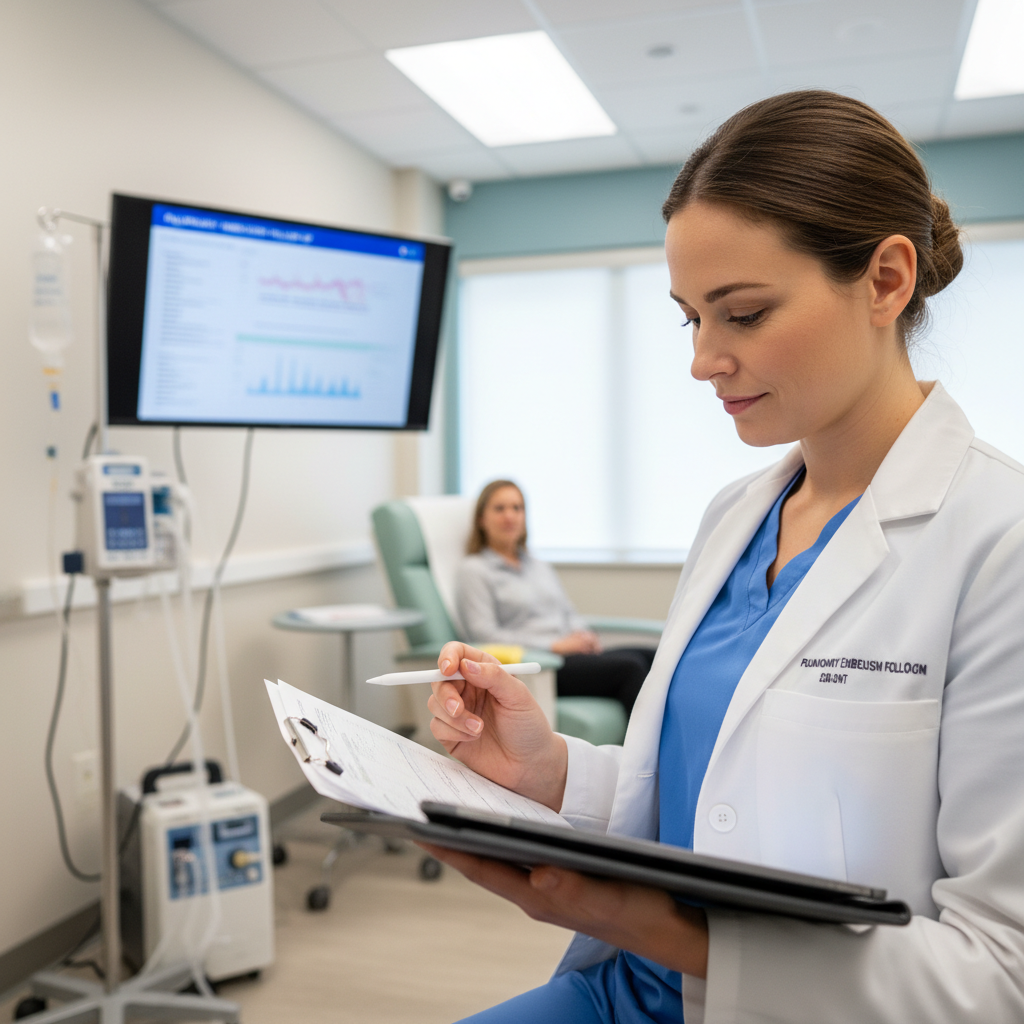
A Standard Threshold Shift is Not a Warning Sign. It's Documented Damage.
OSHA defines a Standard Threshold Shift (STS) as a change in hearing threshold averaging 10 dB or more at 2,000, 3,000, and 4,000 Hz in either ear. Once recorded, it triggers mandatory recording on the OSHA 300 Log — and the clock starts on your corrective action documentation.
"By the time a worker notices difficulty hearing in conversation, they've already lost frequencies they'll never recover. The 4 kHz notch is the canary in the coal mine — and most facilities never look for it."
You Can't Protect Workers from Noise You Haven't Measured.
Decibel's industrial hygienists conduct full-facility noise dosimetry surveys — personal dosimeters on workers, area monitoring at fixed positions, and time-weighted average calculations for every job classification. The result is a documented noise exposure map your EHS team can defend in an OSHA inspection.
"A noise survey isn't just good practice — it's the foundation of your entire hearing conservation program. Without documented TWA data for each job class, you can't determine who needs testing, and you can't defend your enrollment decisions to OSHA."


OSHA 1910.95 Citations Don't Come with a Warning Letter First.
OSHA's hearing conservation standard is one of the most frequently cited regulations in general industry. An inspector who finds workers without audiometric baselines, or without custom-fitted hearing protection, doesn't issue a suggestion — they issue a citation. Each violation is separate. Each carries its own penalty.
| Standard | Violation | Max Penalty |
|---|---|---|
1910.95(c)(1) | Failure to administer audiometric testing program | $15,625 |
1910.95(b)(1) | No hearing conservation program for workers ≥85 dB TWA | $15,625 |
1910.95(i)(1) | Failure to provide hearing protectors to exposed employees | $15,625 |
1910.95(m)(1) | Failure to train employees on noise hazards and protectors | $15,625 |
Willful / Repeat | Repeated violations after prior citation | $156,259 |
Before attorneys' fees, abatement costs, or increased workers' comp premiums.
"The facilities I defend that are in the most trouble are the ones that 'knew they had a noise problem' but never documented a program. Good faith compliance — documented, dated, and signed — is the only defense OSHA will accept."
Everything Your Facility Needs for Full 1910.95 Compliance — Delivered On-Site.
One scheduling call. We bring the audiometer, the ear impression materials, the certified technicians, and the documentation infrastructure. You get a complete, defensible hearing conservation program.
Baseline Audiometric Testing
CAOHC-certified technicians conduct on-site audiometric baselines for every enrolled worker — up to 300 employees in a single scheduling block.
Custom-Molded Earplugs
Individually fitted silicone ear impressions with verified NRR ratings. Not foam plugs workers pull out. Earplugs that actually stay in.
Annual Threshold Monitoring
Annual re-tests compared against individual baselines. STS events flagged, OSHA 300 Log entries prepared, and referrals issued within 5 business days.
OSHA 1910.95 Documentation Package
Every test, every result, every training record — organized in an audit-ready binder your EHS team can hand to an OSHA inspector on day one.
Your Workers' Q4 Audiometric Baselines
Require 6–8 Weeks to Schedule.
Union safety agreements, OSHA compliance windows, and lab processing timelines don't flex. The EHS managers who meet Q4 deadlines are the ones who called in September, not December.